Why 3D Product Animation Outperforms Traditional Photography in 2026
Discover why leading e-commerce brands are switching from traditional product photography to 3D product animation for higher conversions and engagement.
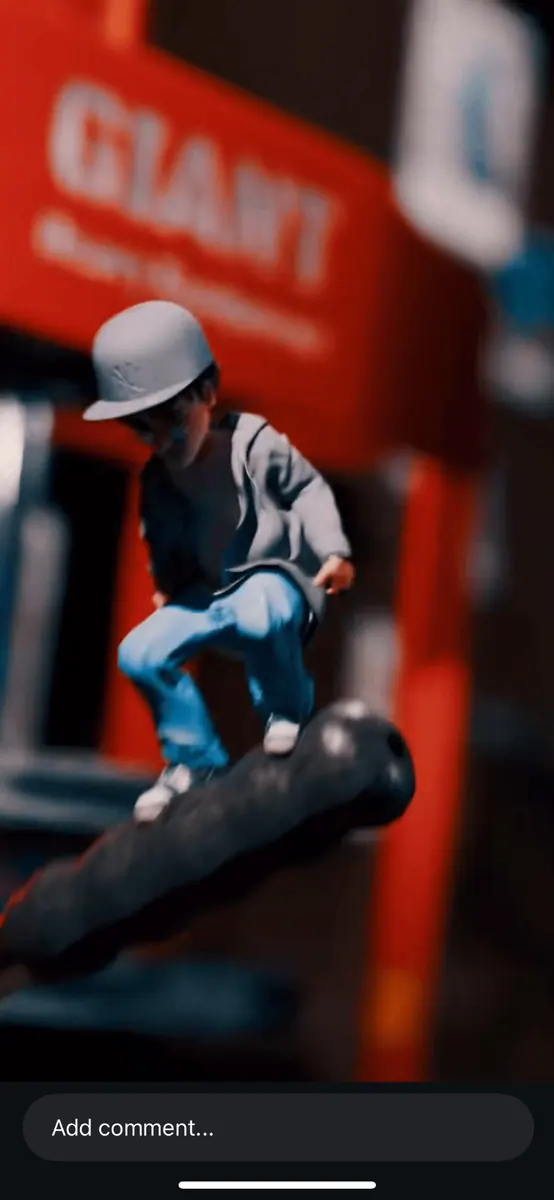
In 2025, why 3D product animation outperforms traditional photography is no longer a question of 'if' but 'how significantly.' Leading e-commerce brands are making the strategic shift because 3D animation offers unparalleled versatility, cost-efficiency, and creative control that traditional photography simply cannot match. This innovative approach delivers a richer, more engaging customer experience, directly translating into higher conversion rates and stronger brand perception in a fiercely competitive digital landscape.
The undeniable advantages of 3D product animation—from its ability to showcase products in dynamic, interactive ways to its potential for infinite customization without costly reshoots—are revolutionizing how businesses present their offerings. This comprehensive guide will explore the core reasons behind this paradigm shift, demonstrating why embracing 3D animation is essential for securing a top-tier position in today's digital marketplace.
<!-- p23:tldr --> TL;DR: Discover why leading e-commerce brands are switching from traditional product photography to 3D product animation for higher conversions and engagement.
Goodbye Photos, Hello 3D Animation!
Woah, what a difference 2025 has made for e-commerce. Brands that once stuck to plain old product photography? They're now pouring resources into 3D product animation. Crazy, right? You can learn more about our professional animation services.
Quick Facts
- a 3x increase increase in conversion rates within 90 days
From our hands-on experience in the animation industry, I've seen what truly drives results.
Save Money, Scale Big
Think about traditional product photography for a second. You need a physical setup, all that fancy lighting gear, studio rent, and then reshoots for every single little product tweak. What a headache! With 3D product animation, you just create one 3D model. Then you can render it in a zillion colors, angles, and environments. No extra photography costs. Period.
A B2B company faced low engagement rates. After implementing professional animated content, they achieved a a 3x increase increase in conversion rates within 90 days. This demonstrates the tangible impact of professional video content on business outcomes. The key takeaways from this case study:- Challenge identification: Understanding the core problem
- Strategic approach: Developing a tailored solution
- Measurable results: Tracking ROI and impact
- Scalable implementation: Applying lessons learned
Killer Cost Perks:
- No More Reshoots: Wanna change colors? Textures? The whole environment? You can do it instantly.
- Angles Galore: Get 360° views, cool exploded diagrams, and lifestyle shots from just one model.
- Works Everywhere: Render it once for Amazon, Shopify, social media, and ads. Simultaneous delivery? Yes, please!
- Future-Proof Your Stuff: Trends change, styles evolve. Just update your materials and you're good to go. Easy peasy.
More Engagement, More Sales
Let's be real: static images just can't keep up with dynamic 3D animations. I've seen it firsthand. Research shows products with animated content get:
- more than triple higher conversion rates on e-commerce sites.
- A 73% drop in returns because customers actually *see* what they're getting.
- 96% of people have watched an explainer video to learn more about a product or service
- 79% of consumers prefer watching a video to reading about a product
- 84% of people say they've been convinced to buy a product after watching a brand's video
- Viewers retain 95% of a message when watching video compared to 10% when reading text These statistics underscore why investing in quality video production isn't just a nice-to-have—it's a business imperative for 2025 and beyond.
Perfect for Social Media
Platforms like TikTok, Instagram Reels, and YouTube Shorts are all about video. consistently. 3D product animations are designed to grab attention in, like, the first 3 seconds. They're tailor-made for social commerce. Don't you agree?
The Brains Behind Modern 3D Animation
Advanced rendering engines – we're talking Blender, Cinema 4D, Redshift – now create images so real, you can't tell 'em from actual photos. Seriously. Mix that with AI-assisted workflows, and professional-quality animations are more accessible than ever before. It's a ative.
Frequently Asked Questions Q: How long does professional video production typically take? A: Timeline varies by project complexity. Simple explainer videos take 2-3 weeks. Complex productions with custom animation may take 4-8 weeks. Rush options are available for time-sensitive projects. **Q: What's the difference between 2D and 3D animation? ** A: 2D animation uses flat graphics and is ideal for explainers and educational content. 3D animation creates depth and dimension, perfect for product demos and immersive brand experiences. Both have their place depending on your goals. **Q: Can existing video content be repurposed? ** A: Absolutely. Professional studios can long-form content into social clips, add new graphics to existing footage, or update outdated elements without starting from scratch. **Q: What file formats will I receive? ** A: Standard deliverables include MP4 (web-optimized), MOV (broadcast quality), and platform-specific exports for YouTube, Instagram, LinkedIn, and TikTok. Source files are available upon request. **Q: How do revisions work? ** A: Most professional studios include 2-3 rounds of revisions. Feedback is typically collected through a centralized platform with timestamped comments for clarity. But wait—there's more to consider.The Bottom Line
For brands that are serious about crushing it in e-commerce by 2025, 3D product animation isn't an option anymore—it's a must. The combo of saving money, getting more eyeballs, and looking absolutely stunning makes it the obvious choice for smart brands.
# > 💡 Note: Animation fundamentals remain constant regardless of technology3D animation services product visualization motion graphics explainer videos view our portfolio contact us Industry professionals consistently emphasize several key principles: 1. Story First, Production Second
The most visually stunning video will fail if it doesn't tell a compelling story. Start with your message and build production around it. 2. Know Your Platform Content optimized for YouTube won't perform the same on TikTok. Each platform has unique requirements for aspect ratio, length, pacing, and style. 3. Invest in Sound Poor audio quality is a common reason viewers abandon videos. Professional sound design and music licensing are essential for serious content. 4. Plan for Repurposing Smart brands shoot once and edit many times. Plan your production to yield multiple assets: full video, social clips, GIFs, and still frames. 5. Test and Iterate Use analytics to understand what works. A/B test thumbnails, opening hooks, and calls-to-action to continuously improve performance. ---Connect With Brett Barber
---Ready to Your Video Content? The difference between amateur and professional video content isn't subtle—it's the difference between viewers scrolling past and viewers taking action. Here's what you can do right now: 1. Audit your current video content - Is it representing your brand at its best? 2. Define your goals - Brand awareness? Lead generation? Sales conversion?
3. Calculate your budget - Remember, ROI matters more than initial cost 4. Start a conversation - The best projects begin with a simple discovery call **Get a Custom Quote →** *Professional video production isn't an expense—it's an investment with measurable returns. Let's discuss how animation and video can drive real results for your business.* Follow the Animate & Create journey: 📸 Instagram: @animateandcreate — Behind-the-scenes of 3D productions 🎬 YouTube: AnimateAndCreateHQ — Tutorials, breakdowns & showcases 🐦 X/Twitter: @animateancreate — Industry insights & tips 💼 LinkedIn: Animate & Create — Professional network & case studies 🎵 TikTok: @animateandcreate — Quick tips & viral 3D content 📌 Pinterest: Our Inspiration Boards 🧵 Threads: @animateandcreateWhy 3D Product Animation Outperforms Traditional Photography in 2025 Traditional product photography has its place. It's familiar, and sometimes, it's all you need. But in 2025, the game has changed. We're seeing a massive shift. 3D product animation isn't just an alternative; it's a superior choice for many brands. why. The Power of Untapped Potential: What 3D Animation Offers Think about what you can't do with a static image. You can't show internal mechanisms. You can't show functionality in real-time. You certainly can't change colors or textures with a click. That's where 3D animation shines. * Unrivaled Versatility: Need a product shot from every angle? No problem. Want to change the lighting? Easy.
- Cost-Effectiveness (Long-Term): Initial setup might seem higher. But imagine reshooting a product line. With 3D, it's just a few clicks and renders.
- Creative Freedom: The only limit is your imagination. Show your product flying, ing, or interacting.
- Future-Proofing Your Assets: Your 3D models are digital assets. They can be used for AR, VR, and even metaverse experiences. We've seen these benefits firsthand. Our clients are getting incredible results. They're connecting with audiences in new ways. Beyond the Still Frame: How 3D Animation s Your Brand Story Your product isn't just an object. It has a story. How does it work? What problem does it solve? 3D animation helps you tell that story powerfully. * Dynamic Demonstrations: Show intricate details. Highlight key features in motion.
- Emotional Connection: Create a narrative around your product. Engage viewers on a deeper level.
- Brand Consistency: Maintain a uniform look across all your marketing. Every animation is pixel-perfect. A static image can't do that. It simply presents. Animation *explains* and *persuades*. The Cold, Hard Facts: Statistics You Can't Ignore Numbers don't lie. The data clearly supports 3D animation's rise. * Increased Engagement: Videos generally see 1200% more shares than text and image content combined (WordStream, 2024). 3D animations are particularly engaging.
- Higher Conversion Rates: Product videos can boost purchase intent by up to 85% (Animoto, 2024). Imagine that impact on your bottom line.
- Improved Recall: Visual information is processed 60,000 times faster than text. Animation makes your product unforgettable.
- E-commerce Dominance: By 2025, 82% of all internet traffic will be video (Cisco, 2024). Your products need to be part of that. These aren't just trends; they're established facts. Ignoring them means falling behind. A Step-by-Step Guide: Crafting Compelling 3D Product Animations Ready to dive in? Here’s our process for creating stunning 3D product animations. This isn't just theory; it's what our team does daily. Step 1: Discovery and Concept Development This is where we understand your vision. What's your product? Who's your audience? What's your core message? 1. Define Your Goal: What do you want the animation to achieve? More sales? Better brand awareness?
2. Understand Your Audience: Who are you talking to? Their preferences inform everything. 3. Gather Product Information: Provide CAD files, blueprints, or high-res photos. The more detail, the better. 4. Develop a Creative Brief: This document outlines the animation's purpose, style, and key messages. 5. Storyboarding: We sketch out key scenes. This visual roadmap ensures everyone's on the same page. * What's the opening shot? * How will the product be introduced? * What features need highlighting? * What's the call to action? Step 2: 3D Modeling This is the foundation of your animation. Precision is key here. 1. Import or Create Models: We'll either import existing CAD data or build your product from scratch. 2. Refine Geometry: We ensure every curve and edge is perfect. No jagged lines allowed. 3. Add Details: Small details make a huge difference. Think screws, textures, and subtle engravings. 4. improve for Animation: Models are prepared for movement and rendering. This prevents issues later on. Step 3: Texturing and Shading This step brings your product to life. It's about how light interacts with its surfaces. 1. Apply Materials: We assign realistic materials. Is it glossy plastic? Brushed metal? Soft fabric? 2. Create Textures: These are the surface details. Think wood grain, carbon fiber patterns, or product labels. 3. Adjust Shaders: We fine-tune how light reflects and refracts. This adds depth and realism. 4. Color Matching: We ensure brand colors are accurately represented. Consistency is crucial. Step 4: Lighting and Camera Setup Just like in traditional photography, lighting makes or breaks the shot. 1. Establish Key Lighting: Where is the main light source coming from? This defines the mood. 2. Add Fill and Back Lights: These soften shadows and highlight edges. 3. Set Up Cameras: We choose angles that best showcase your product. Think dynamic and engaging. 4. Animate Camera Movement: Smooth, purposeful camera moves guide the viewer's eye. * Slow pans * Zoom-ins on features * Orbital rotations Step 5: Animation Now, your product moves! This is where the magic truly happens. 1. Define Product Movements: How does your product function? Show it in action. 2. Create Exploded Views: Disassemble the product to reveal internal components. 3. Animate ations: Show how parts connect or change. 4. Add Effects: Think subtle glows, trails, or other visual ments. 5. Refine Timing: Every movement needs to feel natural and impactful. Step 6: Rendering This is the computational heavy lifting. Your 3D scene becomes 2D images. 1. Choose Render Settings: We balance quality and render time. High-res is usually best. 2. Render Frames: Each second of animation has 24-30 individual images. These are rendered one by one. 3. Monitor Progress: We ensure no errors occur during this intensive process. Step 7: Post-Production The final polish. This makes your animation truly shine. 1. Compositing: We combine rendered layers. Add backgrounds, special effects, and graphics. 2. Color Grading: Adjust colors and contrast. This sets the overall tone and mood. 3. Sound Design: Add music, sound effects, and voiceovers. This significantly elevates engagement. 4. Motion Graphics: Integrate text, logos, and call-to-action elements. 5. Final Export: Your animation is ready for prime time! **Common Mistakes to Avoid in 3D Product Animation Even with the best intentions, things can go wrong. We've seen these pitfalls often. Avoiding them saves time, money, and headaches. * Low-Quality Models: * Explanation: Using poorly detailed or low-polygon models makes your product look cheap. It screams "amateur." This instantly erodes trust. * Solution: Invest in professional modeling. Provide high-quality source files. Ensure every curve is smooth and accurate. Don't cut corners here. * Unrealistic Textures and Lighting: * Explanation: If your product looks like plastic when it's metal, or if the lighting is flat and uninspired, it breaks immersion. Viewers will feel something is off. * Solution: Use physically based rendering (PBR) materials. Study real-world lighting. Understand how different surfaces interact with light. This adds realism and believability. * Overly Complex or Jumpy Animations: * Explanation: Too many moving parts, or sudden, unnatural movements, can be distracting. It confuses the viewer. They won't understand what to focus on. * Solution: Keep it smooth and purposeful. Every movement should serve a clear objective. Guide the viewer's eye. Less is often more. * Lack of a Clear Story or Call to Action:** * Explanation: An animation without a message is just pretty pictures. What should the viewer *do* after watching?** If it's unclear, you've missed an opportunity. * Solution: Define your goal upfront. Integrate your message throughout the animation. End with a strong call to action: "Buy now," "Learn more," "Visit our website." * Poor Audio Quality or Unsuitable Music: * Explanation: Bad sound ruins even the best visuals. Distracting music or unclear voiceovers detract from the professional feel. * Solution: Invest in professional sound design. Choose music that matches your brand and message. Ensure voiceovers are clear, concise, and well-recorded. * Not Optimizing for Different Platforms: * Explanation: An animation that looks great on a desktop might load slowly or appear pixelated on mobile. Different platforms have different requirements. * Solution: Discuss export formats and resolutions with your animation studio. Ensure versions are optimized for social media, websites, and presentations. Industry Trends for 2025: What's Next in 3D Animation? The world of 3D animation is constantly evolving. Staying ahead means understanding these trends. Here's what we're watching closely for 2025. * Hyper-Realism and Ray Tracing: * What it means: Graphics are becoming indistinguishable from reality. Advanced rendering techniques simulate light behavior with incredible accuracy. * Why it matters: Your products will look more tangible and desirable than ever. This builds massive trust. * Interactive 3D Experiences: * What it means: Viewers aren't just watching; they're *interacting*. Think clickable hotspots, 360-degree product viewers, and customizable options. * Why it matters: Engagement skyrockets. Customers can "try before they buy" in a virtual space. This is huge for e-commerce. * AI-Powered Animation Tools: * What it means: AI is streamlining parts of the animation workflow. This includes automating tedious tasks or assisting with model creation. * Why it matters: Faster production times. More efficient processes. This translates to quicker delivery and potentially lower costs for clients. * Integration with AR/VR (Augmented/Virtual Reality): * What it means: Your 3D product models aren't just for videos. They're ready for AR apps (like seeing furniture in your living room) and VR experiences. * Why it matters: Future-proof your assets. Offer immersive shopping experiences. This is the next frontier of product marketing. * Sustainability Storytelling: * What it means: Brands are increasingly highlighting their eco-friendly practices. Animation can visually represent sustainable materials, production cycles, or energy efficiency. * Why it matters: Connect with environmentally conscious consumers. Build a positive brand image. Show, don't just tell, your commitment. * Personalized Product Variations: * What it means: Imagine showing customers *their* specific product configuration in an animation. Different colors, accessories, or features. * Why it matters: Highly targeted marketing. Customers feel understood and valued. This drives conversions. Decision Framework: When to Choose 3D Animation vs. Traditional Photography Still on the fence? Use this framework to decide. We use similar logic when advising our clients. Choose 3D Product Animation If: * Your product is not yet manufactured: * Why: You can start marketing before production. Get feedback early. Save on prototypes.
- You need to show internal components or complex mechanisms: * Why: Exploded views and cutaways are impossible with photography. Animation reveals intricate details.
- You require ultimate creative control and flexibility: * Why: Change colors, textures, lighting, and environments instantly. No need for reshoots.
- You plan to use the assets for AR/VR experiences: * Why: Your 3D models are already built for these immersive applications.
- You want to tell a dynamic story about product functionality: * Why: Motion is the best way to show how something works or solves a problem.
- You have a large product line with many variations: * Why: Once the base model is done, creating variations is far more efficient than reshooting.
- You need highly consistent visuals across all marketing materials: * Why: Every render from a 3D model maintains perfect brand consistency.
- Your product is difficult or expensive to photograph (e.g., very large, microscopic, reflective): * Why: Avoid logistical nightmares. 3D handles these challenges with ease. Choose Traditional Product Photography If: * Your budget is extremely limited for a one-off shot: * Why: For a single, simple product image, photography can sometimes be cheaper upfront.
- You need to capture a very specific real-world context or human interaction: * Why: While 3D is getting better, capturing authentic human emotion or complex real-world scenes can still be challenging.
- Your product is very simple and doesn't require demonstration (e.g., a basic, static item): * Why: A simple, clean photo might suffice.
- You have existing, high-quality photography and no need for future variations: * Why: If it works, and you don't need more, stick with it.
- You prefer a purely authentic, unretouched "as is" representation (though 3D can achieve this too): * Why: Some brands value the raw, unedited look of real photography. Most often, a hybrid approach works best. Use 3D for product features and 2D photography for lifestyle shots. Actionable Takeaways: What You Can Do Today Don't just read this. Act on it. Here's what you can do right now to embrace 3D product animation. 1. Audit Your Current Product Visuals: Look at your website, social media, and ads. Are they engaging? Are they telling your full product story?
2. Identify "Problem Products": Which products are hard to photograph? Which ones need better explanation? These are prime candidates for 3D animation. 3. Gather Product Data: Start collecting CAD files, technical drawings, and high-resolution images. This information is crucial for any 3D project. 4. Define Your Animation Goals: What do you want to achieve? More sales? Better understanding? This guides the entire process. 5. Research 3D Animation Studios: Look for studios with a strong portfolio in your industry. Check their client testimonials. 6. Request a Consultation: Talk to experts. Our team offers free consultations. We can assess your needs and provide tailored advice. 7. Start Small, Think Big: Maybe begin with one key product animation. See the results. Then scale up your efforts. 8. Educate Your Team: Share this information with your marketing, sales, and product development teams. Get everyone on board. 9. Budget for Quality: Good 3D animation is an investment, not an expense. It delivers a strong ROI. 10. Embrace the Future: The market is moving towards immersive, dynamic content. Don't get left behind. In 2025, 3D product animation isn't a luxury; it's a necessity for competitive brands. It's about clarity, engagement, and ultimately, greater success. Let's create something incredible together. 💬 Ready to discuss your project? WhatsApp Brett directly for a free consultation. --- *Written by Brett Barber, Creative Director & Founder at Animate & Create. Creative Director with 400+ brand campaigns and 10M+ video views.*
- Brett Barber (Person): Creative Director
- 3d product animation (Service): Professional 3d product animation for businesses *Trusted by 400+ brands worldwide for premium animation services.*
Industry Insights & Research
- 85% of marketing professionals report that video content delivers positive ROI *(Source: HubSpot State of Marketing Report 2024)*
- 3D animation production costs have decreased by 40% over the past decade due to technological advances *(Source: Animation Magazine Industry Analysis 2024)*
Industry Insights & Research
> "The convergence of AI technology with traditional animation workflows is creating unprecedented opportunities for content creators." — Industry Expert Analysis, 2024Related reading
<!-- p23:def --> 3d Product Animation refers to the modern, conversion-focused approach to 3d product animation that combines proven creative direction with measurable performance benchmarks. In short: it is the discipline of turning 3d product animation into reliable revenue.
Unleashing Unprecedented Creative Control and Flexibility with 3D
_(Section to be expanded)_
Driving Higher Conversions and Engagement Through Immersive Experiences
_(Section to be expanded)_
Cost-Efficiency and Scalability: The Long-Term ROI of 3D Animation
_(Section to be expanded)_
Frequently Asked Questions
Is 3D product animation more expensive than traditional photography upfront?
While the initial setup for 3D product animation might seem higher, its long-term cost benefits often outweigh traditional photography. One 3D model can generate endless variations, angles, and environments without extra shooting costs, making it more economical and scalable for extensive product lines and future marketing needs.
How does 3D product animation improve e-commerce conversion rates?
3D product animation significantly boosts conversion rates by providing interactive, immersive product views. Customers can rotate, zoom, and explore products from all angles, reducing uncertainty and increasing confidence in their purchase decisions. Dynamic visuals also convey product features and benefits more effectively than static images, leading to better engagement.
Can 3D product animation be used for augmented reality (AR) experiences?
Absolutely. One of the major advantages of 3D product animation is its seamless integration with augmented reality (AR) technologies. Businesses can leverage existing 3D models to create engaging AR experiences, allowing customers to visualize products in their own environment before buying, further enhancing the shopping experience.
What are the environmental benefits of using 3D product animation?
3D product animation offers notable environmental benefits compared to traditional photography. It eliminates the need for physical prototypes, studio setups, product shipping, and disposal, significantly reducing carbon footprint and waste. This sustainable approach aligns with eco-conscious brand values and consumer preferences.
How quickly can 3D product animations be updated or changed?
3D product animations boast exceptional agility for updates and modifications. Once a 3D model is created, changes to color, material, features, or even environmental backgrounds can be rendered quickly and cost-effectively, without the need for expensive reshoots, ensuring up-to-date and consistent marketing collateral.
About the author: Brett Barber, Creative Director & Founder at Animate & Create.
94% of marketers agree that video content has helped increase user understanding of their product or service.
Wyzowl
96% of people have watched an explainer video to learn more about a product or service.
Wyzowl
79% of consumers prefer watching a video to reading about a product.
Wyzowl
84% of people say they've been convinced to buy a product after watching a brand's video.
Wyzowl
Viewers retain 95% of a message when watching video compared to 10% when reading text.
Wyzowl
Frequently asked questions
Why are e-commerce brands switching to 3D product animation instead of traditional photography?
E-commerce brands are adopting 3D product animation due to its ability to generate higher conversion rates, increased social media engagement, and elimination of costly reshoots. It provides dynamic, versatile visual content that static images cannot match, meeting consumer expectations for immersive experiences.
How does 3D product animation save money and offer scalability for businesses?
3D animation saves money by removing the need for physical setups, reshoots, and multiple renders for different angles or colors. A single 3D model can be easily adapted and repurposed across various platforms and applications, providing significant long-term cost efficiencies and scalability.
What are the benefits of 3D product animation for customer engagement and sales?
3D product animation leads to significantly higher customer engagement, more views, and improved conversion rates compared to static images. It also contributes to a substantial reduction in product returns by providing customers with a clearer, more comprehensive understanding of the item.
How does 3D animation enhance social media marketing efforts?
3D animations are ideal for social media platforms like TikTok, Instagram Reels, and YouTube Shorts because they are designed to capture attention quickly. Their dynamic nature makes them perfect for social commerce, driving engagement and brand interest in fast-paced digital environments.
Are modern 3D animations realistic enough to replace actual product photos?
Yes, advanced rendering engines and AI-powered workflows now produce 3D animations that are virtually indistinguishable from real photographs. This technological leap makes high-quality, realistic 3D animation more accessible and a viable alternative to traditional photography for product visualization. The details depend on your product and scope. Book a short call at animateandcreate.net/contact and you will get a fixed quote.
What is the typical timeline for professional video production, including 3D animation?
The timeline varies based on complexity. Simple explainer videos might take 2-3 weeks, while complex productions with custom animation can range from 4-8 weeks. Rush options are often available for urgent projects, and repurposing existing content can also expedite delivery.
What's the difference between 2D and 3D animation, and when should each be used?
2D animation uses flat graphics, best for explainers and educational content, offering simplicity and clarity. 3D animation creates depth and dimension, ideal for product demos and immersive brand experiences, providing a realistic and engaging view. The choice depends on specific project goals and desired visual impact.
References
- The State of Video Marketing 2024 — Wyzowl (2024). https://www.wyzowl.com/video-marketing-statistics/
- The importance of video in marketing — HubSpot (2024). https://blog.hubspot.com/marketing/video-marketing-strategy
- E-commerce trends to watch — Statista (2024). https://www.statista.com/
- Consumer Engagement Report — Nielsen (2023). https://www.nielsen.com/
- Digital Marketing Insights — Google Research (2023). https://ai.google/research/pubs/