Cinematic Product Videos vs Traditional Commercials
What cinematic product videos are, how they differ from basic commercials, how they are made and what drives the cost.
Cinematic Product Videos vs Traditional Commercials
Cinematic product videos tend to hold attention better than basic commercials because they show the product through deliberate camera work, lighting, sound and pacing instead of listing features. They suit premium products and launches. They are not automatically better, and they cost more than simple clips, so match the style to the goal.
What "cinematic" actually means
"Cinematic" is not a filter. It is a set of choices:
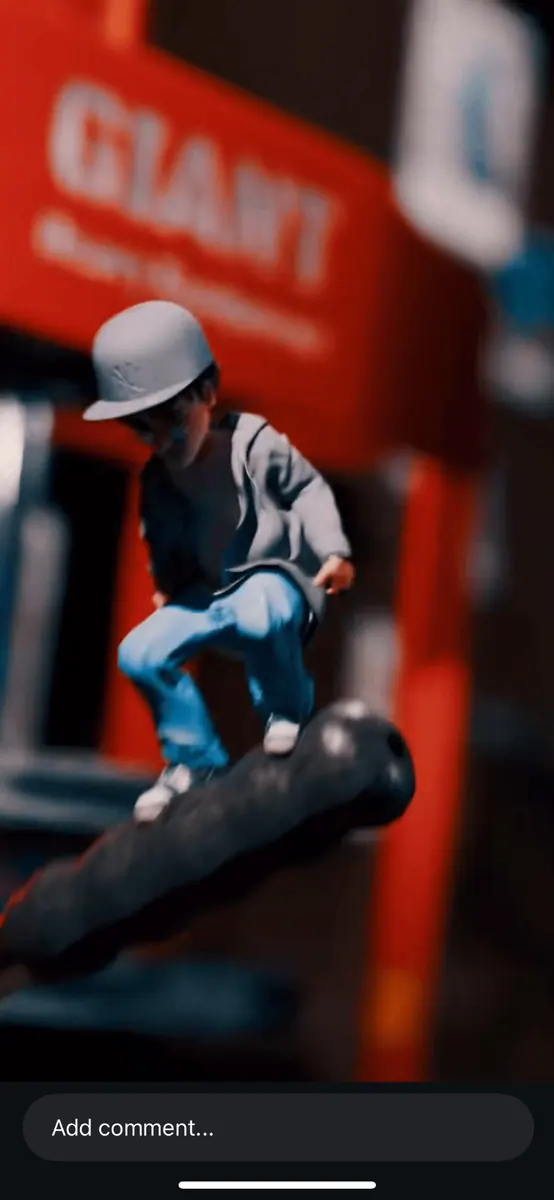
- Camera language: slow pushes, orbits, macro close-ups and shallow depth of field that guide the eye.
- Lighting: shaped light that gives the product form, with highlights on edges and controlled reflections.
- Composition: deliberate framing, negative space and a clear focal point in every shot.
- Pacing: a rhythm of build, reveal and release rather than constant cuts.
- Color: a restrained palette that fits the brand.
- Sound: music and sound design that carry emotion and give physical weight to the product.
- A simple story: a reason for the film to exist beyond "here is our product".
In 3D animation, every one of these is fully controllable. There are no weather delays, no reflections of a crew in a glossy surface and no limits on camera paths.
Cinematic vs traditional commercial: the differences
| | Traditional commercial | Cinematic product video | |---|---|---| | Goal | Inform, push an offer | Create desire and brand feeling | | Style | Feature list, voiceover, spokesperson | Visual storytelling, music, minimal copy | | Typical length | 15-60 seconds | 15-90 seconds, plus short cutdowns | | Production | Often live action with crew | Live action, CGI or a mix | | Shelf life | Tied to a promotion | Often reusable as a brand asset | | Cost | Wide range | Usually higher per second than simple clips |
The honest summary: cinematic films usually do better at building brand feeling and premium perception. Direct-response commercials with clear offers can do better at immediate sales. Many brands run both.
Why cinematic work can perform better
We do not have a universal figure to quote, because results depend on product, audience, platform and media spend. The reasons cinematic work tends to perform well are practical:
1. It earns attention. On crowded feeds, striking visuals and sound get a second look. 2. It makes the product look as good as it can. Controlled light and camera show finish, materials and craft. 3. It signals quality. Production polish supports a higher price point. 4. It is memorable. A distinct look is easier to recognize than generic stock-style footage. 5. It can be reused. A single hero film can be cut into many shorter edits and stills.
None of these guarantee sales. Pair the film with clear product pages, good offers and sensible media buying.
Where 3D animation fits
CGI is well suited to cinematic product work because it removes physical limits. It is especially useful for:
- Reflective, transparent or tiny products that are hard to light on set.
- Impossible shots such as moving through a product, exploded views or macro views of internal parts.
- Products not manufactured yet.
- Brands needing many variants from one model.
- Stylized or fantastical environments.
Live action remains the better choice for people, natural food, real emotion and authentic environments. A hybrid is common: live-action plates with 3D products, or CGI product shots with a real hand or model. See our guide to photorealistic product visualization and the luxury product animation techniques post for more.
A practical blueprint
1. Define one goal. Launch awareness, premium positioning, ad creative or a site hero. 2. Write a one-line idea. If you cannot state the film in a sentence, simplify. 3. Storyboard and animatic. Sketch every shot and time it with music before production. 4. Build and look-develop the product. Accurate materials and lighting tests set the quality. 5. Animate and render. Camera paths, product motion and effects. 6. Grade and sound-design. Color and audio often lift a film more than extra shots do. 7. Deliver in all formats. Wide, square and vertical, plus short cutdowns and stills.
What it costs
Cost scales with length, complexity and finish. The main drivers are the length of the film, how detailed the product models are, the number of shots and scenes, any simulations such as liquids or smoke, the number of revision rounds and the deadline. Fully cinematic multi-shot films take more design, lighting and finishing than a simple loop. Every project is quoted after a short call. DM us on Instagram or book a call and we'll scope it and send a fixed quote. See also our cinematic commercials service.
When a simpler video is the better choice
Cinematic production is not always the right call. Choose a simpler format when:
- The goal is a quick offer or reminder. A short, plain clip with a clear price or deadline can outperform an elaborate film.
- You need many versions fast. Simple product loops are quicker to make and easier to swap.
- The product is still being tested. Spend on a hero film once you know the product sells.
- The budget is small. A well-made 10 to 15 second loop beats a stretched, underfunded long film.
- The audience wants information. Technical or comparison buyers may prefer a clear demonstration over a mood piece.
A sensible plan for many brands is one cinematic hero film for launches and brand pages, plus a steady supply of simple product loops and cutdowns for everyday marketing, all built from the same 3D models.
Common mistakes
- Style over substance. Beautiful shots that never show what the product does.
- Too slow to start. Open with a strong image in the first seconds.
- Ignoring silent viewing. Many people watch without sound, so make the visuals carry the message and add captions where words matter.
- One format only. A wide hero film alone leaves vertical feeds unserved.
- No call to action. Tell viewers where to go next.
- Over-promising. Do not show features the product does not have.
How to measure
- Watch-through rate and average view duration, not only views.
- Click-through to product pages from the film.
- Conversion and add-to-cart rate on pages with the film versus without.
- Branded search and direct traffic after launch.
- Ad cost per purchase for cinematic creative compared with your usual ads.
Our guide to 360-degree product animations covers a lighter-weight format that pairs well with a hero film.
FAQ
How do cinematic product videos differ from traditional ads?
Traditional ads usually inform and push an offer, often with voiceover and feature lists. Cinematic videos use camera work, light, music and pacing to create desire and brand feeling. Many brands use both for different goals.
What role does 3D rendering play in cinematic product videos?
It gives full control over camera, light and environment, and makes shots possible that are impractical on set, such as macro views and exploded views. It is especially useful for reflective or tiny products and for products not yet built.
Are cinematic product videos more expensive than standard commercials?
Usually per second, yes, because they involve more design, lighting and finishing. They can offer better value when one hero film is cut into many ads and stills. The cost depends on length, complexity, number of scenes, effects, revisions and deadline, so book a call for a fixed quote.
Do cinematic videos improve brand perception?
They can support a premium image because polish signals care and quality. They only help if the product and customer experience match the promise. Measure brand search, direct traffic and conversion rather than assuming.
What makes a product video look cinematic?
Controlled lighting, deliberate camera moves, shallow depth of field, a restrained color palette, strong composition, sound design and a simple story. Slow, confident pacing matters as much as visuals.
To plan a cinematic film for your product, contact us with your idea and timeline. Every project is quoted after a short call. DM us on Instagram or book a call and we'll scope it and send a fixed quote.
About the author: Brett Barber, Creative Director & Founder at Animate & Create.
96% of people have watched an explainer video to learn more about a product or service.
Wyzowl's Video Marketing Statistics 2024
Viewers retain 95% of a message when watching video compared to 10% when reading text.
Wyzowl's Video Marketing Statistics 2024
Frequently asked questions
How do cinematic product videos differ from traditional ads?
Traditional ads usually inform and push an offer, often with voiceover and feature lists. Cinematic videos use camera work, light, music and pacing to create desire and brand feeling. Many brands use both for different goals. The details depend on your product and scope. Book a short call at animateandcreate.net/contact and you will get a fixed quote.
What role does 3D rendering play in cinematic product videos?
It gives full control over camera, light and environment, and makes shots possible that are impractical on set, such as macro views and exploded views. It is especially useful for reflective or tiny products and for products not yet built.
Are cinematic product videos more expensive than standard commercials?
Usually per second, yes, because they involve more design, lighting and finishing. They can offer better value when one hero film is cut into many ads and stills. The cost depends on length, complexity, number of scenes, effects, revisions and deadline, so book a call for a fixed quote.
Do cinematic videos improve brand perception?
They can support a premium image because polish signals care and quality. They only help if the product and customer experience match the promise. Measure brand search, direct traffic and conversion rather than assuming. The details depend on your product and scope. Book a short call at animateandcreate.net/contact and you will get a fixed quote.
What makes a product video look cinematic?
Controlled lighting, deliberate camera moves, shallow depth of field, a restrained color palette, strong composition, sound design and a simple story. Slow, confident pacing matters as much as visuals. The exact answer depends on your product, scope and deadline, so each project is scoped individually. Book a short call at animateandcreate.net/contact and you will get a fixed quote.
References
- Video Marketing Statistics 2024 — Wyzowl (2024). https://www.wyzowl.com/video-marketing-statistics/
- The Power of Video Marketing — HubSpot (2023). https://blog.hubspot.com/marketing/video-marketing-strategy
- The Impact of 3D Animation in Advertising — Adobe (2023). https://www.adobe.com/
- Consumer Engagement with Digital Advertising — IAB (2023). https://www.iab.com/
- The Enduring Power of Stories — McKinsey & Company (2023). https://www.mckinsey.com/