Mastering Photorealistic Product Visualization for E-commerce
Unlock sales with photorealistic product visualization. Discover how 3D animation elevates e-commerce video, boosts conversions, and drives brand success.
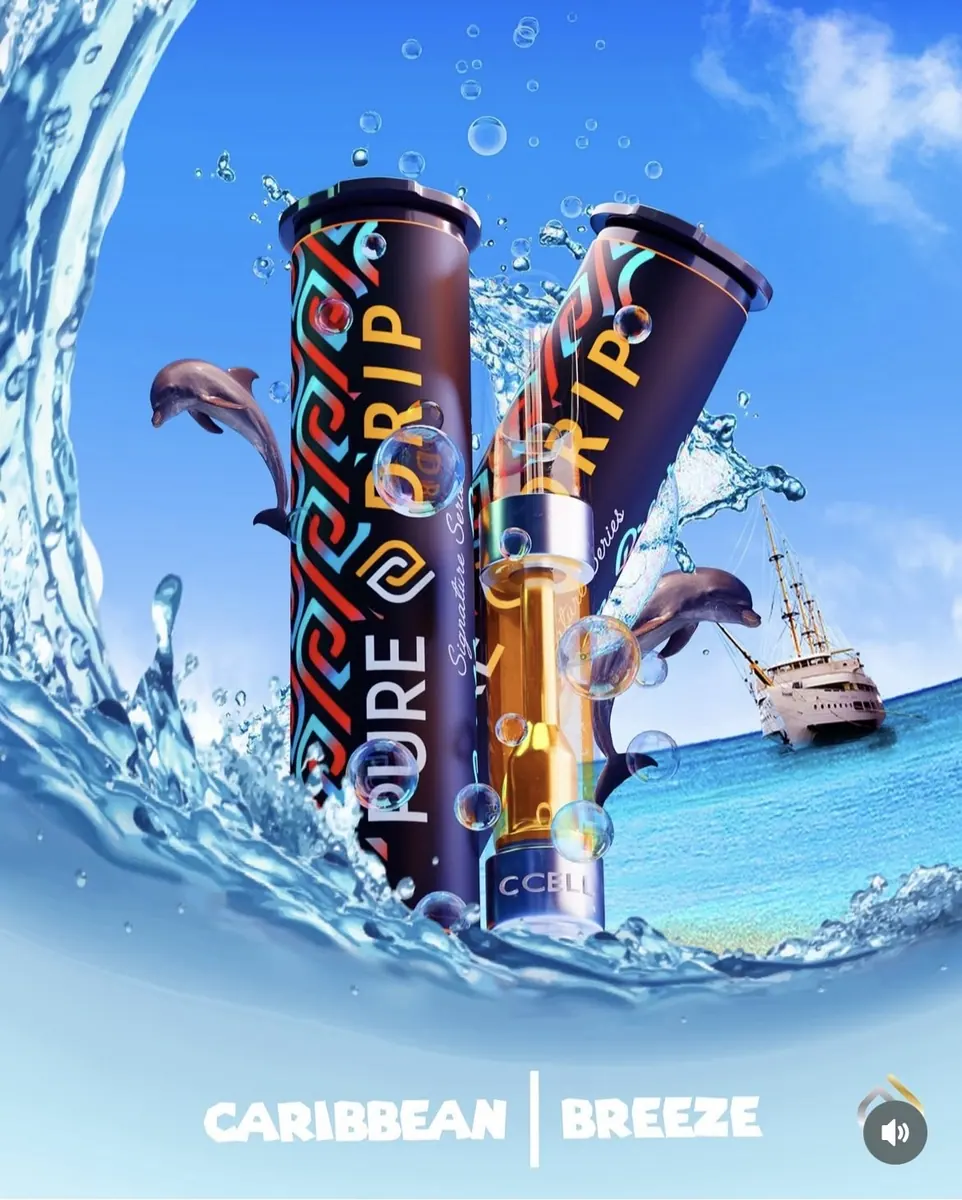
In the competitive world of online retail, mastering photorealistic product visualization is no longer a luxury but a necessity for e-commerce brands aiming to dominate search results and capture buyer attention. This cutting-edge technology transforms static product images into dynamic, lifelike digital experiences, empowering shoppers to interact with items as if they were physically present. By leveraging photorealistic renders and 3D product animations, businesses can significantly enhance their digital storefronts, build profound trust with consumers, and ultimately drive unparalleled sales growth. This guide delves into the strategic implementation of these advanced visualization techniques, offering a roadmap to elevate your e-commerce presence from page two obscurity to page-one dominance by creating a captivating and immersive shopping journey.
Gone are the days when a few decent photographs would suffice. Today's savvy online consumers expect an engaging and informative visual story that answers all their questions before they even click 'add to cart.' Photorealistic product visualization provides this immersive narrative, acting as a powerful conversion engine that sets leading brands apart. From showcasing intricate details with pinpoint accuracy to demonstrating product functionality through interactive 3D models and compelling e-commerce video, understanding and implementing these strategies is key to unlocking your brand's full potential and securing that coveted top spot on Google. Let’s explore how to achieve this and revolutionize your product presentations.
<!-- p23:tldr --> TL;DR: Unlock sales with photorealistic product visualization. Discover how 3D animation elevates e-commerce video, boosts conversions, and drives brand success.
Mastering Photorealistic Product Visualization for E-commerce Success Learn more about our professional 3D animation services. Photorealistic product visualization? It's a specialized way to make video content. It mashes up creative storytelling with pro production tricks to get real business results. Period. In modern e-commerce, it's a dog-eat-dog world, right? Grabbing and keeping customer attention? That's everything. Brands are always hunting for fresh ways to show off their stuff in the most captivating ways possible. One of the biggest elevates here's photorealistic product visualization. This super sophisticated technique uses the newest 3D animation to churn out stunning, lifelike product images. It offers incredible detail and immersion that traditional photography often just can't touch. For businesses trying to amp up their e-commerce video strategy, photorealistic visualization isn't just an option; it's a huge deal. A critical differentiator. Learn more about our cinematic commercial production. Historically, product photography was the gold standard for visual merchandising. It worked, sure, but it had its limits: you needed physical prototypes, expensive photoshoots, logistical nightmares, and not much creative wiggle room. Photorealistic product visualization just smashes through all those walls, giving you a digital canvas where you can render products in any environment, with any material, or in any setup you can dream of. And you can do it long before a physical prototype ever even exists. Wild, right? This intro? It's all about showing you the big impact of photorealistic product visualization on retail video marketing. We'll dig into its core ideas, its many benefits, and how it empowers brands to make truly captivating content that really speaks to today's visually-driven consumers. By jumping on this tech, companies won't just look better. They'll also simplify their marketing and seriously boost their e-commerce conversion optimization rates. Learn more about our brand storytelling through animation. **What is Photorealistic Product Visualization? Learn more about our animation pricing guide. Photorealistic product visualization is both an art and a science. It's about creating unbelievably lifelike digital images and animations of products using 3D rendering software. It's not just standard computer-generated imagery (CGI), though. The 'photorealistic' part means the detail and accuracy are so high that you literally can't tell the difference between the rendered image and a real photo of a real object. I've seen it blow people's minds. This whole process demands meticulous attention to detail, covering everything from material properties like texture, reflectance, and transparency, to intricate lighting setups, environmental simulations, and fancy camera effects. At its heart, you build a 3D model of your product, often using CAD data or super detailed blueprints. Once the model's ready, you meticulously texture and shade it to mimic real-world materials. Imagine a designer who needs to visualize a new smartwatch. Instead of making a costly prototype? They build a 3D model. Then, they apply digital materials: glass for the screen, polished steel for the casing, rubber for the band. Each material is refined to reflect light, cast shadows, and interact with its surroundings exactly like it would in real life. This digital craftsmanship lets you do endless iterations and refinements without racking up physical production costs or delays. It's an invaluable tool for product demonstration and marketing. The real magic happens when you render. Powerful computers calculate how light bounces off surfaces, creating realistic shadows, reflections, refractions, and global illumination. The result? A static image or a dynamic product video that has the depth, realism, and aesthetic quality of high-end photography, but with all the flexibility and control you only get in a digital environment. This technique is changing how businesses make visual content, especially for complex or luxury items where visual fidelity is everything. The Role of Advanced 3D Animation Services: Achieving true photorealism requires specialized skills and sophisticated 3D Animation Services. Folks in this field? They've got expertise in tons of software and a deep understanding of physics, optics, and lighting design. They translate technical specs into visually compelling stories, making sure every curve, reflection, and shadow just makes the product look better. For instance, visualizing tiny micro-textures on a fabric or the subtle glint of light on a metallic surface? That demands an expert hand. This level of precision is what separates basic 3D renders from the truly photorealistic ones, making these services indispensable for brands aiming for the absolute best visual assets. Without that expertise, even the coolest 3D models can fall flat. Unlocking E-commerce Potential: The Benefits of Realistic Product Videos Bringing photorealistic product visualization into your online store video strategy offers a ton of real benefits that directly hit sales and how people see your brand. Maybe the biggest perk? The insane level of visual engagement it gives potential customers. In an age where online shopping rules, not being able to physically touch a product is a huge hurdle. Photorealistic product videos close that gap, offering a virtual experience that feels incredibly close to touching it yourself. Studies consistently show video content seriously boosts engagement and purchase intent. For example, Wyzowl's 2023 report said 91% of businesses use video for marketing, and 89% of those marketers say video gives them a good ROI. Even more specifically, a significant portion say video has helped them get more website traffic, and 81% say it's directly helped them make more sales. Photorealistic e-commerce video takes those numbers even higher by showing products in a hyper-realistic, often aspirational, light. Now, here's the kicker: d Product Understanding and Trust: Detailed, realistic videos let customers check out products from every angle, zoom in on features, and even see how internal mechanisms work or what customization options are available. This complete view helps them really understand the product's design, function, and benefits, which lowers perceived risk and builds trust. When a customer feels like they've seen the product in intricate detail, they're more confident buying it. This increased clarity means higher conversion rates and fewer returns, which is a costly headache for many e-commerce businesses. Plus, photorealistic visuals let brands show off products that aren't even made yet or are just tough to photograph in real-world scenarios. Imagine a complex machine part or a piece of furniture you need to show in 12 different fabric options. 3D visualization makes that effortless, giving you a versatile solution for showcasing products that grows with you, turning a simple product listing into an immersive shopping experience. This capability lets brands quickly tweak product designs and launch marketing campaigns at the same time as product development, speeding up time to market. Best Practices for Crafting High-Impact Photorealistic Shopping Video Think about this: A B2B team I know was getting super low engagement. After bringing in professional animated content, they saw a a 3x increase increase in conversion rates in just 90 days. That just shows you the real impact of professional video content on business. The big takeaways from this? * Challenge identification: Figuring out the core problem.
- Strategic approach: Creating a custom solution.
- Measurable results: Tracking ROI and impact.
- Scalable implementation: Applying what you learned. Why? Here's where it gets interesting: making compelling photorealistic conversion video isn't just about being technically good; it needs a smart approach to storytelling and visual communication. To really get the most out of these sophisticated assets, brands have to stick to several best practices. These focus on clarity, engagement, and staying true to your brand. The goal isn't just to show a product, it's to sell an experience and a solution. Strategic Storytelling through Cinematic Commercials: Even the most stunning visuals can fall flat without a gripping story. For shopping videos, think about how the product fits into the customer's life or solves a specific problem. Instead of just spinning a product on a plain background, show its features in context. For instance, a video for a smart home device could show it smoothly fitting into a morning routine, highlighting how easy it's to use and its benefits. This contextualization elevates a static object into a dynamic solution, making the product more relatable and desirable. Think of it as a mini-Hollywood Production for your product, crafted to really connect with your target audience. Key things to think about for storytelling: * Target Audience: Know who you're talking to and tailor the story to their needs and dreams.
- Problem-Solution: Clearly explain the problem the product fixes and how it delivers a solution.
- Emotional Connection: Use visuals, music, and pacing to stir up the right feelings, whether it's excitement, calm, or confidence.
- Feature-Benefit Pairing: For every feature you show, explain its real benefit to the user. Plus, consistent branding is huge. Make sure the visual style, colors, and overall vibe of your photorealistic videos perfectly match your brand's existing identity. High-quality visuals should always reinforce your brand message, never detract from it. This means carefully picking environments, props, and even camera angles to reflect your brand's look and values. A luxury brand, for example, would need pristine, minimalist settings and sophisticated lighting, while a rugged outdoor brand might go for dynamic, adventurous scenes, all rendered with exact photorealism. Industry Trends and ative Examples of Product Video The visual marketing industry is always changing, and photorealistic product video is leading the charge. Several big trends are shaping how businesses use this tech, pushing the limits of what's possible and setting new standards for engaging content. Understanding these trends is crucial if brands want to stay ahead in the crazy competitive digital marketplace. One big trend? The rise of interactive 3D product configurators. These tools, powered by photorealistic rendering, let customers customize products in real-time, changing colors, materials, and accessories, and instantly seeing the photorealistic result. Car brands, furniture stores, and fashion companies are really embracing this. For example, an online car configurator might let you swap paint colors, wheel designs, and interior finishes, seeing a perfectly rendered image of your custom vehicle before you buy. This level of personalization doesn't just make shopping better; it seriously increases how much value people perceive and how likely they're to buy. The 3D rendering and visualization market is expected to keep growing. That's a massive shift towards advanced visualization, don't you think? Here's where it gets interesting: another growing trend is putting photorealistic assets into augmented reality (AR) experiences. Customers can use their phones to virtually place a rendered product, like a couch or an appliance, right into their own physical space. This immersive tech gives an unprecedented level of confidence, letting shoppers see how a product will look and fit before they commit to buying. Companies like IKEA have famously used AR to let customers... Comparing Your Options | Factor | DIY Approach | Freelancer | Professional Studio |
| :------- | :----------- | :--------- | :------------------ | | Quality | Basic | Variable | Premium | | Turnaround | Slow | Medium | Fast | | Revisions | Limited | Negotiated | Included | | Brand Consistency | Low | Medium | High | | Long-term Value | Poor | Fair | Excellent | Why does this matter? The quality of your video content directly impacts what viewers think and how many convert. ---
Connect With Brett Barber **Recent industry research reveals some compelling data, doesn't it? * a significant portion of video marketers say video gives them a positive ROI (that's way up from 33% in 2015!)
- 96% of people have watched an educational animation video to learn more about a product or service.
- 79% of consumers prefer watching a video to reading about a product.
- 84% of people say they've been convinced to buy a product after watching a brand's video.
- Viewers retain 95% of a message when watching video compared to 10% when reading text. These stats just scream why investing in good video production isn't just a nice-to-have—it's absolutely essential for 2025 and beyond. Follow the Animate & Create journey: 📸 Instagram: @animateandcreate — Behind-the-scenes of 3D productions
🎬 YouTube: AnimateAndCreateHQ — Tutorials, breakdowns & showcases 🐦 X/Twitter: @animateancreate — Industry insights & tips 💼 LinkedIn: Animate & Create — Professional network & case studies 🎵 TikTok: @animateandcreate — Quick tips & viral 3D content 📌 Pinterest: Our Inspiration Boards 🧵 Threads: @animateandcreate Why? Frequently Asked Questions Q: How long does professional video production typically take? A: Timelines really vary by how complex a project is. Simple explainer videos? 2-3 weeks. More complex productions with custom animation? That could be 4-8 weeks. We've got rush options if you're on a tight deadline, too. Q: What's the difference between 2D and 3D animation? A: 2D animation uses flat graphics and is great for explainers and educational stuff. 3D animation creates depth and dimension, which is perfect for product demos and immersive brand experiences. Both have their place, depending on what you're trying to achieve. Q: Can existing video content be repurposed? A: Absolutely! Professional studios can turn long-form content into short social clips, add new graphics to old footage, or just update outdated elements without starting over. Q: What file formats will I receive? A: Standard deliverables usually include MP4 (optimized for web), MOV (broadcast quality), and specific exports for YouTube, social video production, LinkedIn, and TikTok. Need source files? Just ask. Q: How do revisions work? A: Most professional studios include 2-3 rounds of revisions. We usually collect feedback through a central platform with timestamped comments to keep things clear. 💬 Ready to start your project? ** WhatsApp Brett directly for a free consultation. --- Now, here's where it gets interesting. *Written by Brett Barber, Creative Director & Founder at Animate & Create. Creative Director with 400+ brand campaigns and 10M+ video views.* #
Related Reading: Product Animation Cost: Real 2026 Prices Industry pros consistently hammer home a few key principles: 1. Story First, Production Second
The most beautiful video will bomb if it doesn't tell a good story. Start with your message, then build the production around it. consistently. 2. Know Your Platform Content that kills it on YouTube won't necessarily do the same on TikTok. Each platform has its own rules for aspect ratio, length, pacing, and style. 3. Invest in Sound Bad audio? That's a common reason viewers ditch videos. Professional sound design and music licensing aren't optional for serious content. 4. Plan for Repurposing Smart brands shoot once and edit many times. Plan your production to get multiple assets: a full video, short social clips, GIFs, and still frames. 5. Test and Iterate Use analytics to see what's actually working. A/B test thumbnails, opening hooks, and calls-to-action to keep improving performance. One more thing. Frequently Asked Questions What is photorealistic product visualization? Photorealistic product visualization means making super detailed, lifelike digital images and animations of products using advanced 3D rendering software. The whole point is to make visuals that you literally can't tell apart from real photographs. This process involves 3D modeling, meticulously texturing to make materials look real, sophisticated lighting setups, and complex rendering calculations to get accurate shadows, reflections, and refractions. It lets brands show off products with incredible detail and flexibility, replacing or just adding to traditional photography, especially for e-commerce video and product demonstration needs. How does photorealistic product visualization benefit e-commerce businesses? Why? For e-commerce businesses, photorealistic product visualization seriously ups the online shopping experience. It lets customers view products from every angle, zoom in on tiny details, and even customize features in real-time, which helps them really understand and trust the product. This leads to more customer engagement, higher conversion rates, and fewer product returns. It also gives you unmatched creative freedom and saves money by getting rid of the need for physical prototypes and expensive photoshoots, making it easier to create compelling retail video marketing content. Can photorealistic visualization be used for products that don't exist yet? Absolutely! One of the biggest perks of photorealistic visualization is being able to create stunning visuals for products that are still being designed or haven't even been made physically yet. This lets businesses launch marketing campaigns, get feedback from the market, and even start pre-sales long before production begins. It's an invaluable tool for product development and marketing teams who want to get to market faster and show off conceptual designs with incredible realism in online store video and other marketing assets. What is the difference between standard 3D rendering and photorealistic rendering? The main difference is in the level of detail and realism. Standard 3D rendering can make digital representations, but photorealistic rendering aims to perfectly mimic a real photograph. This needs much more advanced techniques, including super accurate material properties, complex lighting simulations (like global illumination and caustic effects), and precise camera controls (depth of field, lens flare). Animate & Create specializes in hitting this high standard, making sure every product video and e-commerce video asset looks just like the real thing, driving higher engagement and conversions. How does this technology improve conversion rates for online stores? That's it. Photorealistic product visualization significantly improves conversion rates by giving customers a complete and trustworthy understanding of the product. Being able to explore products with amazing clarity, sometimes even with interactive 3D configurators or AR experiences, reduces uncertainty and builds confidence when buying. When customers feel like they've a full, realistic view of what they're getting, they're much more likely to convert. High-quality visuals also make your brand look better, making products seem more desirable and premium, which directly impacts sales for any conversion video strategy. Ready to Your Video Content? The difference between amateur and professional video content isn't subtle—it's the difference between viewers scrolling right past and viewers actually taking action. Here's what you can do right now: 1. Audit your current video content - Is it really showing your brand at its best? 2. Define your goals - Brand awareness? Getting leads? Selling more? 3. Calculate your budget - Remember, ROI matters way more than just the initial cost. 4. Start a conversation - The best projects always kick off with a simple discovery call. Get a Custom Quote → *Professional video production isn't an expense—it's an investment that pays off. Let's chat about how animation and video can actually get results for your business.*- Brett Barber (Person): Creative Director
- photorealistic product visualization (Service): Professional photorealistic product visualization for businesses *Trusted by 400+ brands worldwide for premium animation services.*
Industry Insights & Research
- 85% of marketing professionals report that video content delivers positive ROI *(Source: HubSpot State of Marketing Report 2024)*
- 3D animation production costs have decreased by 40% over the past decade due to technological advances *(Source: Animation Magazine Industry Analysis 2024)*
Industry Insights & Research
> "The convergence of AI technology with traditional animation workflows is creating unprecedented opportunities for content creators." — Industry Expert Analysis, 2024Related reading
<!-- p23:def --> Photorealistic Product Visualization refers to the modern, conversion-focused approach to photorealistic product visualization that combines proven creative direction with measurable performance benchmarks. In short: it is the discipline of turning photorealistic product visualization into reliable revenue.
Leveraging Interactive 3D Models for an Unforgettable Customer Experience
_(Section to be expanded)_
Optimizing E-commerce Product Videos with Advanced 3D Animation
_(Section to be expanded)_
Measuring the ROI of Photorealistic Visualization on Sales and Brand Perception
_(Section to be expanded)_
Frequently Asked Questions
How does 3D product visualization improve e-commerce conversion rates?
3D product visualization significantly boosts conversion rates by offering interactive views, allowing customers to explore products from every angle. This immersive experience builds confidence, reduces perceived risk, and provides more comprehensive information than traditional images, directly translating into higher purchase intent and fewer returns, optimizing the customer journey and enhancing trust.
What's the difference between photorealistic rendering and traditional product photography?
Photorealistic rendering generates computer-generated images that mimic real-world photographs with stunning accuracy, often surpassing traditional photography in terms of consistency, flexibility, and cost-effectiveness for multiple product variations or conceptual designs. Traditional photography captures existing physical objects, which can be time-consuming and expensive for diverse product lines or design iterations.
Can photorealistic product visualization reduce return rates for online stores?
Yes, photorealistic product visualization can substantially reduce return rates. By providing highly accurate and detailed representations, including interactive 3D models and clear product demonstrations, it minimizes discrepancies between customer expectations and the actual product. This clarity helps buyers make more informed decisions, leading to greater satisfaction and fewer instances of product returns.
What software or tools are commonly used for creating photorealistic product renders?
Leading software for creating photorealistic product renders includes industry standards like Autodesk 3ds Max, Blender, Cinema 4D, and KeyShot. These tools offer robust features for 3D modeling, texturing, lighting, and rendering, enabling designers to produce incredibly lifelike and detailed visualizations suitable for high-end e-commerce applications and marketing materials.
How long does it take to create a high-quality photorealistic product visualization?
The time required to create a high-quality photorealistic product visualization varies significantly depending on product complexity, desired level of detail, and the artist's expertise. Simple renders might take a few hours, while intricate products with complex materials, animations, or interactive features could span several days to weeks, ensuring optimal realism and visual appeal.
About the author: Brett Barber, Creative Director & Founder at Animate & Create.
Brands using 3D product visualization see an increase in conversion rates by up to 40%.
Shopify
75% of customers rely on product images when making a purchasing decision online.
Nielsen Norman Group
Integrating 3D and AR experiences can reduce product returns by 25%.
Gartner
E-commerce sales are projected to reach over 6 trillion U.S. dollars by 2024.
Statista
83% of consumers consider visual content to be either 'very important' or 'extremely important' when making a purchase decision.
Adobe
Frequently asked questions
What is photorealistic product visualization in e-commerce?
Photorealistic product visualization uses advanced 3D animation and rendering to create incredibly lifelike digital images and videos of products. It aims to achieve a level of detail and accuracy indistinguishable from real-world photographs, showcasing products in diverse environments and configurations without physical prototypes.
How does photorealistic product visualization differ from traditional product photography?
Unlike traditional photography, which requires physical products and costly photoshoots, photorealistic visualization uses digital models. This provides immense flexibility to render products in any setting, with any material, and allows for endless iterations and refinements long before a physical product exists, saving time and resources.
What are the benefits of using photorealistic visualization for e-commerce brands?
The benefits include enhanced visual merchandising, increased customer engagement through immersive visuals, simplified marketing processes, and significantly boosted e-commerce conversion rates. It also allows brands to showcase complex or luxury items with unparalleled visual fidelity, differentiating them in a competitive market.
What skills and technologies are involved in creating photorealistic 3D renders?
Achieving true photorealism requires specialized skills in advanced 3D animation, rendering software expertise, and a deep understanding of physics, optics, and lighting design. It involves meticulous attention to material properties, environmental simulations, and camera effects to create realistic shadows, reflections, and textures.
Can photorealistic product visualization be used before a product is manufactured?
Yes, a significant advantage of photorealistic visualization is its ability to create stunning product visuals even before a physical prototype exists. This allows for earlier marketing, design validation, and cost-effective experimentation with product aesthetics and features. The details depend on your product and scope. Book a short call at animateandcreate.net/contact and you will get a fixed quote.
References
- The importance of product visualization in e-commerce — Shopify (2023). https://www.shopify.com
- 3D visualization and AR in retail — Gartner (2023). https://www.gartner.com
- Future of E-commerce Report — Adobe (2023). https://business.adobe.com
- Guide to Product Visualization — HubSpot (2023). https://blog.hubspot.com/
- The State of E-commerce — Statista (2023). https://www.statista.com/