FOOH Marketing: How Fake Out-of-Home Ads Create Viral Moments
What FOOH is, how it differs from OOH, what makes it convincing, how it is made and what it costs.
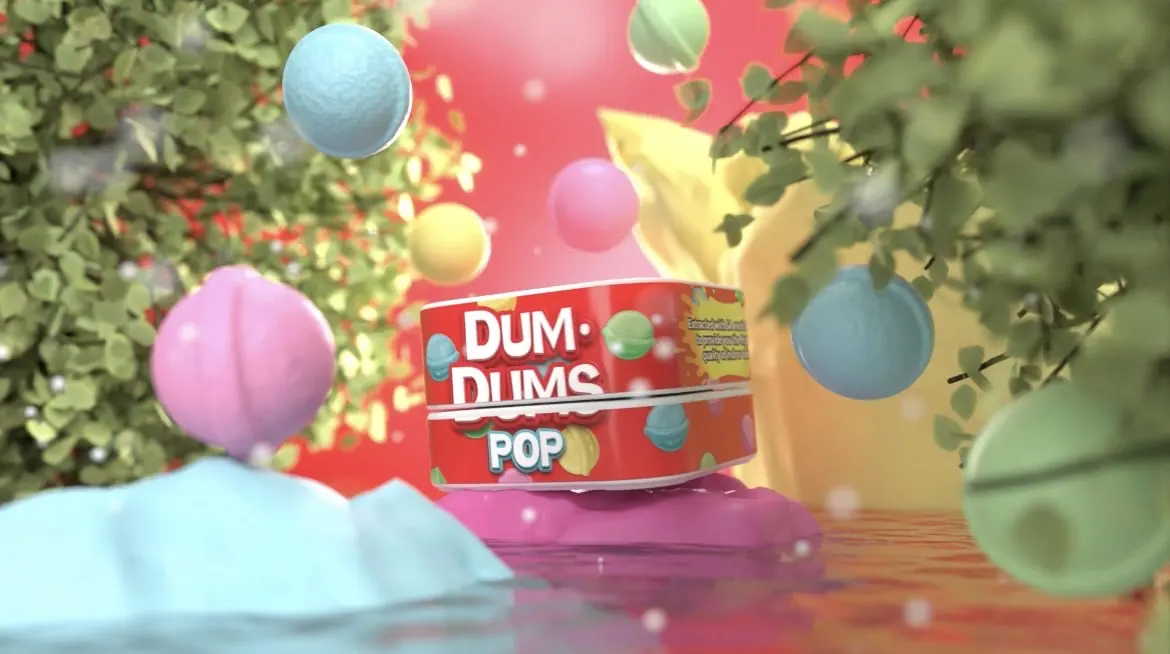
FOOH Marketing: How Fake Out of Home Advertising Creates Viral Moments
FOOH stands for fake out-of-home advertising. It uses CGI to place a hyper-realistic ad, such as a giant product on a city building, into filmed footage, so it looks like a real billboard or stunt. It exists only on screen and spreads through social media. Done well, it gets watched, discussed and shared because people wonder whether it is real.
FOOH vs OOH: what is the difference?
Traditional out-of-home (OOH) advertising is physical: billboards, transit ads, posters and installations. You pay for the space, the printing and the install, and people only see it if they pass by.
FOOH is digital. A real location is filmed (or a convincing scene is built in 3D), and 3D elements are composited into it. The audience is whoever sees the video online.
| | OOH | FOOH | |---|---|---| | Exists physically | Yes | No | | Media cost | Space rental, printing, install | None; cost is production | | Permits and logistics | Often required | Not for the ad itself | | Reach | Local foot and vehicle traffic | Social platforms, shares | | Creative limits | Physics, safety, budget | Imagination and production budget | | Risk | Weather, approvals, damage | Audience reaction if it feels deceptive |
FOOH does not replace OOH. Many brands use FOOH to get attention and real OOH to reach local audiences.
Why FOOH gets attention
- Surprise. A product the size of a building stops the scroll.
- A question. "Is that real?" draws comments and replays.
- Spectacle at low media cost. You are making a film, not renting a skyline.
- Share value. People send striking visuals to friends.
- Brand fit. It suits products with strong shapes or personality: sneakers, drinks, cosmetics, bags, cars, gadgets and food.
None of this guarantees virality. Reach depends on the idea, execution, timing, platform algorithms and often paid promotion. Treat FOOH as a way to make an eye-catching asset, not a promise of millions of views.
What makes a FOOH piece believable
Most FOOH that fails, fails on realism. The elements that matter:
1. Matched camera. The 3D camera must move exactly like the real camera in the footage, which requires camera tracking. 2. Matched light and shadow. Direction, color and softness of light on the CGI should match the scene. 3. Interaction with the environment. Reflections in windows, shadows on streets, dust, passers-by looking up. These details sell it. 4. Believable scale and physics. Weight and motion must feel right for the size. 5. Real footage quality. Add the same grain, lens blur and compression as the original shot. 6. Sound. Footsteps, echoes and ambient noise ground the scene. 7. A simple idea. One strong visual beats a complicated scene.
How a FOOH video is produced
1. Concept and script. One idea and a punchline moment, in 6 to 20 seconds. 2. Location plate. Film real footage, or build a full 3D environment. Real footage must be shot with tracking in mind. 3. Tracking and layout. Match the camera and place the 3D product. 4. Modeling and look development. Build the product to match brand specs, with accurate materials. 5. Animation and effects. Movement, smoke, dust or liquid where needed. 6. Lighting and rendering. Match to the plate and render in passes. 7. Compositing. Blend CGI and footage with shadows, reflections, grain and color. 8. Sound and edit. Add sound design, cut for vertical or square.
If you cannot film on location, a fully built 3D environment is an alternative, though it takes longer to look real.
What FOOH costs
FOOH is a custom production, so the cost depends on length, complexity and whether real footage is used. Simple pieces with a single product and a short shot cost far less than full city scenes with crowds and effects. The main drivers are the length of the piece, how detailed the product model is, the number of shots, crowds or effects, how much real footage must be tracked and matched, the number of revision rounds and the deadline. Every project is quoted after a short call. DM us on Instagram or book a call and we'll scope it and send a fixed quote.
Is FOOH ethical?
FOOH is generally accepted as creative advertising, as long as it is not used to mislead. Good practice:
- Do not present FOOH as a real event in news-style posts.
- Add a short "CGI" or "created with 3D" note in captions or comments, particularly if people ask.
- Follow each platform's advertising and disclosure rules.
- Avoid scenes that could cause alarm, such as emergencies, real landmarks being damaged or anything that might be mistaken for danger.
- Respect trademarks, landmarks and filming rights on real footage.
Common FOOH mistakes
- Weak tracking. If the CGI slides or floats against the footage, viewers spot it immediately and the effect is lost.
- Mismatched lighting. A product lit like a studio shot placed in an overcast street looks pasted on.
- Too many ideas. One clear, bold image outperforms a crowded scene that takes several viewings to understand.
- Ignoring the first second. Social viewers scroll fast. The surprising element should appear early.
- Hiding the brand. If viewers cannot tell who the ad is for, the shares do nothing for you.
- Posting once and walking away. Reply to comments, cut shorter versions and consider paid promotion to widen reach.
Measuring results
Choose metrics that fit the goal:
- Reach and views: completion rate, shares and saves.
- Engagement: comments, including the share of people asking whether it is real.
- Brand search and direct traffic in the days after posting.
- Site visits and sales from tracked links and promo codes.
Because FOOH usually runs alongside other marketing, be careful when attributing sales directly to it.
Tools used to make FOOH
Studios commonly use 3D software such as Blender, Maya or Cinema 4D for modeling and animation, tracking tools such as PFTrack or Blender's own tracker, render engines such as Cycles or Arnold, and compositing tools such as After Effects or Nuke. The tools matter less than the realism craft: tracking, lighting and integration. Our guide to the FOOH advertising trend has more background, and our social media content service covers how we deliver short-form formats.
Who should consider FOOH
FOOH works best for brands with a visual product, a social audience and a short, clear idea. It is less suited to products that need long explanation or to brands whose audience is not on social platforms. If you want your film to tell a longer story, see brand storytelling.
FAQ
What is the difference between FOOH and OOH advertising?
OOH is physical advertising such as billboards and installations. FOOH is CGI composited into video so the ad appears real but exists only on screen. FOOH needs no physical install and spreads through social media.
How does FOOH generate organic shares?
Its mix of realism and impossibility prompts viewers to ask if it is real, comment and send it to friends. A simple, surprising visual helps. There is no guarantee, since results depend on the idea, execution and distribution.
Is FOOH marketing ethical?
Generally yes, if it is not used to mislead. Avoid posting it as a real event, add a CGI note in captions, follow platform ad rules and avoid scenes that could cause alarm.
What tools are used to make FOOH?
Common tools include Blender, Maya or Cinema 4D for 3D work, camera tracking software, render engines such as Cycles or Arnold, and After Effects or Nuke for compositing. Skilled tracking, lighting and compositing matter more than any single program.
How much does a FOOH video cost?
It depends on length, complexity and whether real footage is used. A short single-product shot costs far less than a multi-shot scene with crowds and effects. Revisions and deadline also affect the cost. Every project is quoted after a short call, so book a call and we'll scope it and send a fixed quote.
To explore a FOOH idea for your brand, contact us with your product and concept. Every project is quoted after a short call. DM us on Instagram or book a call and we'll scope it and send a fixed quote.
About the author: Brett Barber, Creative Director & Founder at Animate & Create.
Brands utilizing immersive digital experiences see a 20-30% higher engagement rate compared to traditional digital ads.
Adobe Report on Immersive Experiences (2023)
Campaigns leveraging 'curiosity gap' techniques can achieve up to 50% more social shares.
Nielsen Consumer Engagement Study (2023)
FOOH advertising can generate millions of organic impressions and significantly boost brand sentiment.
Wyzowl Report on Digital Marketing Trends (2023)
Investments in high-quality 3D animation for marketing are projected to increase by 15% in key demographics by 2025.
Statista Global Advertising Forecast (2024)
Frequently asked questions
What is the difference between FOOH and OOH advertising?
OOH is physical advertising such as billboards and installations. FOOH is CGI composited into video so the ad appears real but exists only on screen. FOOH needs no physical install and spreads through social media. The details depend on your product and scope. Book a short call at animateandcreate.net/contact and you will get a fixed quote.
How does FOOH generate organic shares?
Its mix of realism and impossibility prompts viewers to ask if it is real, comment and send it to friends. A simple, surprising visual helps. There is no guarantee, since results depend on the idea, execution and distribution. The details depend on your product and scope. Book a short call at animateandcreate.net/contact and you will get a fixed quote.
Is FOOH marketing ethical?
Generally yes, if it is not used to mislead. Avoid posting it as a real event, add a CGI note in captions, follow platform ad rules and avoid scenes that could cause alarm. The details depend on your product and scope. Book a short call at animateandcreate.net/contact and you will get a fixed quote.
What tools are used to make FOOH?
Common tools include Blender, Maya or Cinema 4D for 3D work, camera tracking software, render engines such as Cycles or Arnold, and After Effects or Nuke for compositing. Skilled tracking, lighting and compositing matter more than any single program. The details depend on your product and scope. Book a short call at animateandcreate.net/contact and you will get a fixed quote.
How much does a FOOH video cost?
It depends on length, complexity and whether real footage is used. A short single-product shot costs far less than a multi-shot scene with crowds and effects. Revisions and deadline also affect the cost. Every project is quoted after a short call, so book a call and we'll scope it and send a fixed quote.
References
- The Rise of Fake Out-of-Home Advertising — Wyzowl (2023). https://www.wyzowl.com/
- The Global Ad Spending Landscape: Report and Forecast — Statista (2024). https://www.statista.com/
- The Future of Advertising: Immersive Experiences — Adobe (2023). https://www.adobe.com/
- Consumer Engagement in Digital Advertising — Nielsen (2023). https://www.nielsen.com/
- Digital Marketing Insights — Google Research (2023). https://ai.google/research/