Beauty & Cosmetics 3D Animation for Brand Identity
How beauty brands use 3D animation for product films, texture shots and consistent brand identity, plus formats, process and what drives cost.
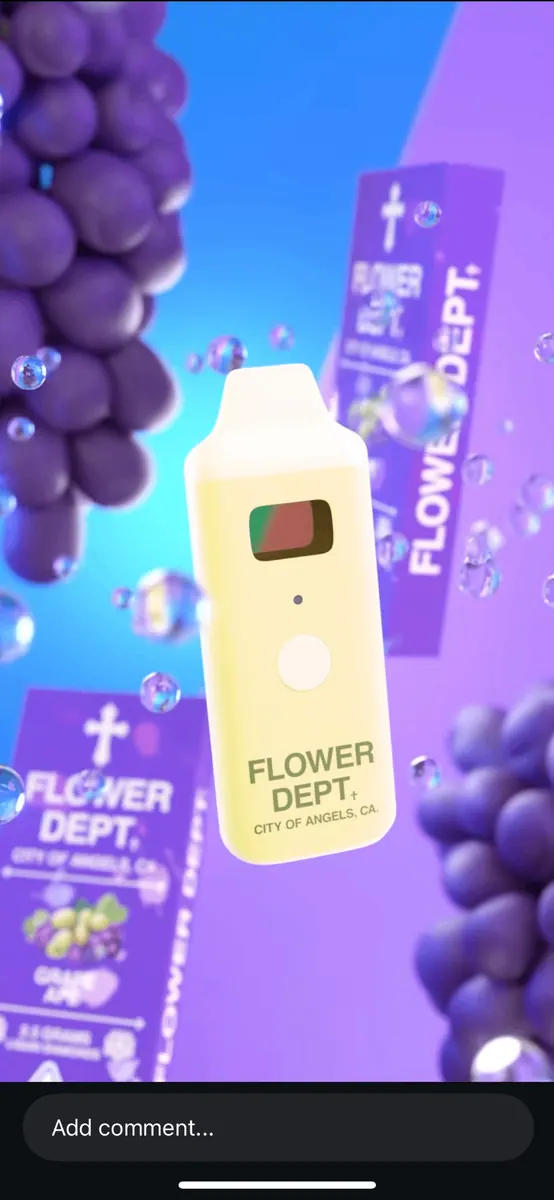
Beauty & Cosmetics 3D Animation for Brand Identity
3D animation lets a beauty brand show texture, packaging, formula and finish in a controlled, repeatable way, without a studio shoot for every variation. It works best for launches, hero product films, ingredient stories and e-commerce content. The key is a consistent visual language across every shade, size and campaign.
Why beauty brands use 3D animation
Beauty is a visual and sensory category. Shoppers want to see how a serum pours, how a lipstick bullet twists, how light plays on a pearl finish. Photography captures some of that, but it is expensive to repeat for every shade, bottle size and seasonal pack. 3D animation builds the product once as a digital model and reuses it everywhere.
That gives a brand three practical advantages:
- Control. Lighting, camera angle, reflections and liquid behavior are decided on purpose, not fought on set.
- Consistency. The same model and the same look carry through a website, retail media, social and packaging pre-launch.
- Flexibility. Colors, labels and copy can be swapped without rebuilding the shot.
It also lets you show things a camera cannot, such as a cross-section of a cream, ingredients moving through layers, or a product that has not been manufactured yet.
What 3D can show that live shooting struggles with
| Need | 3D animation approach | |---|---| | Liquid, cream or gel texture | Simulated fluids and shaders tuned to the formula's thickness and gloss | | Glass, metallic and pearlescent packaging | Physically based materials that hold reflections cleanly | | Many shades or SKUs | One model, many color variants rendered from the same scene | | Pre-launch product | Visuals before the first production run exists | | How a mechanism works | Pump, twist-up, airless dispenser shown in cutaway | | Ingredient story | Stylized visualization of actives, botanicals or layers |
Honest note: 3D is not always the right call. If your brand is built on real skin, real models and real results, you will still need live footage. The strongest campaigns we see combine both: live people for trust, 3D for the product itself.
Building brand identity with 3D
Brand identity in beauty comes from repeated cues: color, shape, light, motion and tone. 3D animation lets you set these once and apply them across every asset.
Define a look. Decide on lighting style (soft and diffused, or high-contrast and glossy), a background palette, and the types of surfaces the product sits on.
Define a motion style. Slow, smooth camera moves suggest luxury. Quick, rhythmic cuts suggest a youthful brand. Pick one and keep it consistent.
Use the packaging as a character. The cap, bottle shape and label are the most recognizable parts of the brand, so make sure the model is accurate to the real product, including finishes and print details.
Keep type and color matched to the brand kit. Supply the studio with your exact hex colors, fonts and logo files.
Formats beauty brands commonly order
- Hero product film: 10-30 seconds, one product, polished camera work, for a homepage or launch.
- Texture and formula shots: short loops showing the swatch, pour or drip, ideal for product pages and social.
- Ingredient or science explainers: animated stories about what is inside, which pair well with our motion graphics work.
- Retail and marketplace video: product videos sized for listings, covered in our guide to Amazon listing video.
- Social cutdowns: vertical and square edits of the hero film. See social media content.
- Still renders: catalog and ad stills from the same 3D model.
How a beauty animation project runs
1. Brief and references. Share the product, brand guidelines, and a few examples of the look you like. 2. Assets. Provide CAD files if you have them, or clear photos and dimensions of the packaging. We build or rebuild the 3D model from that material. 3. Storyboard. A few frames showing the shots, so you can approve the story before rendering starts. 4. Animation and look development. Materials, lighting and camera moves are set up and tested. 5. Rendering. Final frames are rendered at full quality. 6. Review and delivery. Revisions are handled through the client portal at animateandcreate.app, and files are delivered in the sizes you need.
In our experience, most projects settle in one or two rounds of revisions when the brief and storyboard were clear.
Getting packaging details right
In beauty, small details carry the brand: the weight of a cap, the emboss on a compact, the foil on a box. Tell the studio which details matter most so they get modeling time. Send the exact print files for labels, note which finishes are matte or gloss, and flag anything with a regulated claim on the pack so it is shown correctly. Review the model on its own, before animation, because fixing a label or a curve at that stage costs far less than fixing it after rendering.
What it costs
Prices depend on the length, complexity of the product, and whether liquid simulation is involved. Agencies commonly quote several thousand dollars or more for a single hero film, while freelancers vary widely in price and quality.
At Animate & Create, the final cost of custom work depends on the length, the complexity of the product or scenes, the number of products, any simulations, the number of revisions and the deadline. A single bottle with a clean turntable and logo reveal is the simpler end. Liquid simulation, multiple products, a full story and custom environments add time. Rush delivery is available when a launch is close.
Every project is quoted after a short call. DM us on Instagram or book a call and we'll scope it and send a fixed quote.
How to judge the return on a beauty animation
Be careful with anyone who promises a specific lift in sales or engagement. No studio can know that in advance. What you can do is measure the things you control:
- Whether product-page visitors watch the video.
- Whether you can reuse the 3D model for more assets, lowering the cost of each later piece.
- Whether you can launch a new shade without a new shoot.
- Whether customer questions about texture, size and finish go down.
Treat the first animation as a base asset. The value grows as the model is reused across campaigns.
Trends beauty brands are watching
- Texture-first content for social, where a close, satisfying product shot can be the whole video.
- Digital-first launches, where the 3D visuals go live before the physical stock does.
- Shoppable video and product pages that use short animated loops instead of static images.
- Personalized variants, where one master model is rendered in many colorways.
These are directional trends, not guarantees, but they show why a reusable 3D asset is more flexible than a single shoot.
Related reading
If you sell on marketplaces, read our guide to Amazon product video best practices. For turning a hero film into short clips, see short-form video content strategy. To see the production side, explore product visualization.
FAQ
How can 3D animation help cosmetic brands show their products?
It lets you control light, reflections, texture and camera angle exactly, and it can show things a camera cannot, like a cross-section of a cream or how a pump works. The same model can then be reused across the website, social and retail listings.
What are the main benefits of 3D animation for a beauty launch?
You can have launch visuals before production stock exists, render every shade from one model, and keep a consistent look across channels. It also reduces repeat shoot costs when you add new products or packs.
Can 3D animation support brand storytelling for beauty companies?
Yes. Ingredient stories, formula science and mood-driven product films all work well in 3D. Many brands pair 3D product visuals with live footage of people, so the story has both trust and polish.
How much does a beauty product animation cost?
It can be scoped to fit. The final cost depends on the length, the complexity of the product or scenes, the number of products, any simulations, the number of revisions and the deadline. A single bottle with a clean turntable and logo reveal is the simpler end; liquid simulation, multiple products, a full story and custom environments add work. Every project is quoted after a short call. DM us on Instagram or book a call and we'll scope it and send a fixed quote.
How much do I need to supply to start a project?
Send the packaging dimensions, clear photos or CAD files if you have them, your brand colors and logo, and a short description of the feel you want. We can build the 3D model from that material.
Ready to plan a beauty product animation? Contact us with your product and goals, and we will recommend a format. Every project is quoted after a short call. DM us on Instagram or book a call and we'll scope it and send a fixed quote.
About the author: Brett Barber, Creative Director & Founder at Animate & Create.
The beauty and personal care market is projected to grow significantly, highlighting the need for innovative marketing approaches like 3D animation to capture consumer attention.
NielsenIQ
91% of businesses believe video is more important than ever, with 82% saying video has helped them generate leads.
Wyzowl Video Marketing Statistics
Companies that effectively leverage visual content see a substantial uplift in consumer engagement, with 3D animation offering unparalleled detail and precision.
Adobe Digital Trends Report
Frequently asked questions
How can 3D animation help cosmetic brands show their products?
It lets you control light, reflections, texture and camera angle exactly, and it can show things a camera cannot, like a cross-section of a cream or how a pump works. The same model can then be reused across the website, social and retail listings.
What are the main benefits of 3D animation for a beauty launch?
You can have launch visuals before production stock exists, render every shade from one model, and keep a consistent look across channels. It also reduces repeat shoot costs when you add new products or packs. The details depend on your product and scope. Book a short call at animateandcreate.net/contact and you will get a fixed quote.
Can 3D animation support brand storytelling for beauty companies?
Yes. Ingredient stories, formula science and mood-driven product films all work well in 3D. Many brands pair 3D product visuals with live footage of people, so the story has both trust and polish. The details depend on your product and scope. Book a short call at animateandcreate.net/contact and you will get a fixed quote.
How much does a beauty product animation cost?
It can be scoped to fit. The final cost depends on the length, the complexity of the product or scenes, the number of products, any simulations, the number of revisions and the deadline. A single bottle with a clean turntable and logo reveal is the simpler end; liquid simulation, multiple products, a full story and custom environments add work. Every project is quoted after a short call. DM us on Instagram or book a call and we'll scope it and send a fixed quote.
How much do I need to supply to start a project?
Send the packaging dimensions, clear photos or CAD files if you have them, your brand colors and logo, and a short description of the feel you want. We can build the 3D model from that material. The details depend on your product and scope. Book a short call at animateandcreate.net/contact and you will get a fixed quote.
References
- Cosmetics, Beauty Products, & Fragrance Stores — U.S. Bureau of Labor Statistics. https://www.bls.gov/iag/tgs/iag446.htm
- Beauty & Personal Care Market Research Reports & Industry Analysis — NielsenIQ. https://nielseniq.com/global/en/solutions/commercial-growth/beauty/
- The State of the Digital Advertising Industry — Interactive Advertising Bureau (IAB). https://www.iab.com/
- Wyzowl Video Marketing Statistics — Wyzowl. https://www.wyzowl.com/video-marketing-statistics/